
INORI is a premium makhana supplier from Bihar, specializing in high-quality fox nuts for snack brands, distributors, and bulk buyers. With direct farmer sourcing, strict Sutta-based grading, and a focus on consistency, we deliver reliable, export-re...

Makhana Processing & Grading System

Makhana processing is a detailed and skill-intensive process that transforms raw seeds into the light, crunchy fox nuts used in food products. Each step is carefully executed to preserve quality, texture, and nutritional value.

Traditional Indian Makhana Processing

Makhana Processing: From Seed to Popped Fox Nuts

🔹 Collection of makhana seeds from natural ponds
🔹 Sun drying to reduce moisture content
🔹 Roasting at controlled temperatures
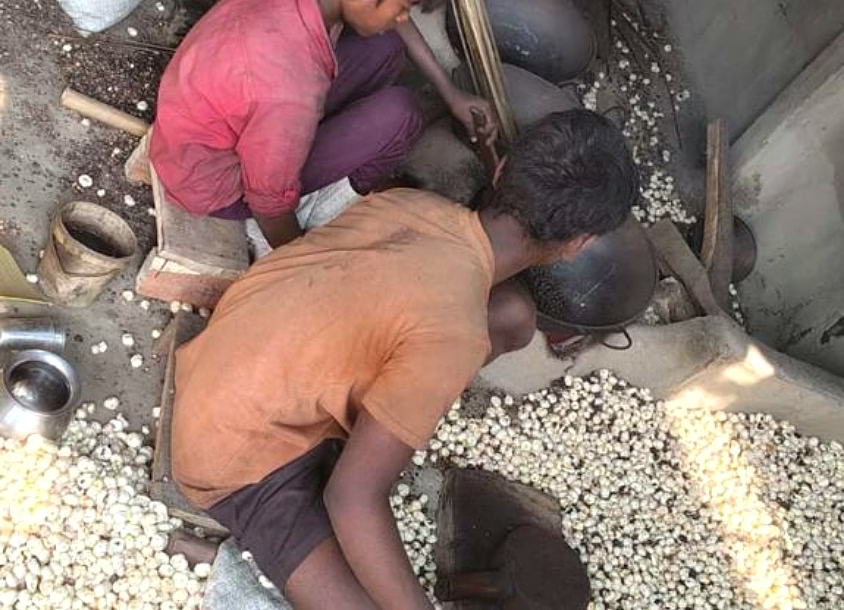
🔹 Manual popping by skilled workers
🔹 Initial cleaning and sorting

Traditional Techniques with Skilled Expertise

👐

Manual popping for better expansion and texture

🔥

Use of traditional roasting methods

Skilled workers ensure minimal breakage

👅

Preservation of natural taste and crunch

The processing of makhana relies heavily on traditional knowledge and skilled labor, ensuring that the final product maintains its natural quality and structure.

Understanding the Sutta Grading System

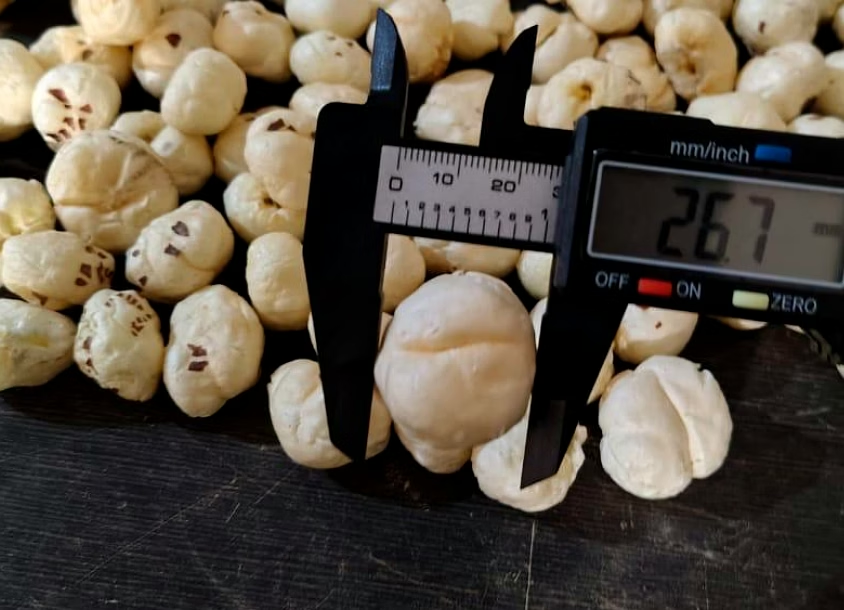
The Sutta grading system is used to classify makhana based on size, quality, and appearance. This helps businesses select the right grade according to their use case.

  • Sutta refers to the size and quality of makhana kernels
  • Higher Sutta number indicates larger and better-quality makhana
  • Grading ensures uniformity within each batch
  • Helps buyers choose the right product for their needs
Premium Indian Makhana Grading

Different Makhana Grades Explained

3 Sutta:

Smaller size, suitable for processing and powder

4 Sutta:

Standard commercial grade for bulk use

4+ Sutta:

Improved quality with better size consistency

5 Sutta:

Premium grade for retail packaging

5+ Sutta:

Extra large kernels for high-end products

6+ Sutta:

Superior quality, large and uniform

6+ Handpicked:

Carefully selected premium-grade makhana

Quality Factors in Grading Makhana

  • 📉 Kernel size and uniformity
  • ⚪ Color (white or creamy appearance)
  • 🎈 Expansion and puffiness
  • 🦷 Texture and crunch
  • ✨ Minimal impurities or broken pieces

Why Sutta Grading Matters for Businesses

  • 🎯 Helps in selecting the right grade for specific use cases
  • 🔄 Ensures consistency in finished products
  • ⭐ Supports premium product positioning
  • 📉 Reduces wastage and improves efficiency

FAQ: Makhana Processing & Grading

Q1. What does Sutta mean in makhana?

Sutta refers to the size and quality grading of makhana kernels.

Q2. Which makhana grade is best for retail products?

5 Sutta and above are generally preferred for retail and premium snacks.

Q3. How is makhana processed after harvesting?

It is sun-dried, roasted, and manually popped before grading.

Q4. What is the difference between 5+ and 6+ makhana?

6+ makhana is larger, more uniform, and considered more premium.

Q5. Why is manual popping important?

It ensures better expansion, texture, and overall quality of makhana.