

INORI is a premium makhana supplier from Bihar, specializing in high-quality fox nuts for snack brands, distributors, and bulk buyers. With direct farmer sourcing, strict Sutta-based grading, and a focus on consistency, we deliver reliable, export-re...
- (+91) 8641088078
- contact@inori.co.in
- Bastaul, Pranpur, , Katihar, Bihar, India. 854116
© 2020 INORI. All Rights Reserved
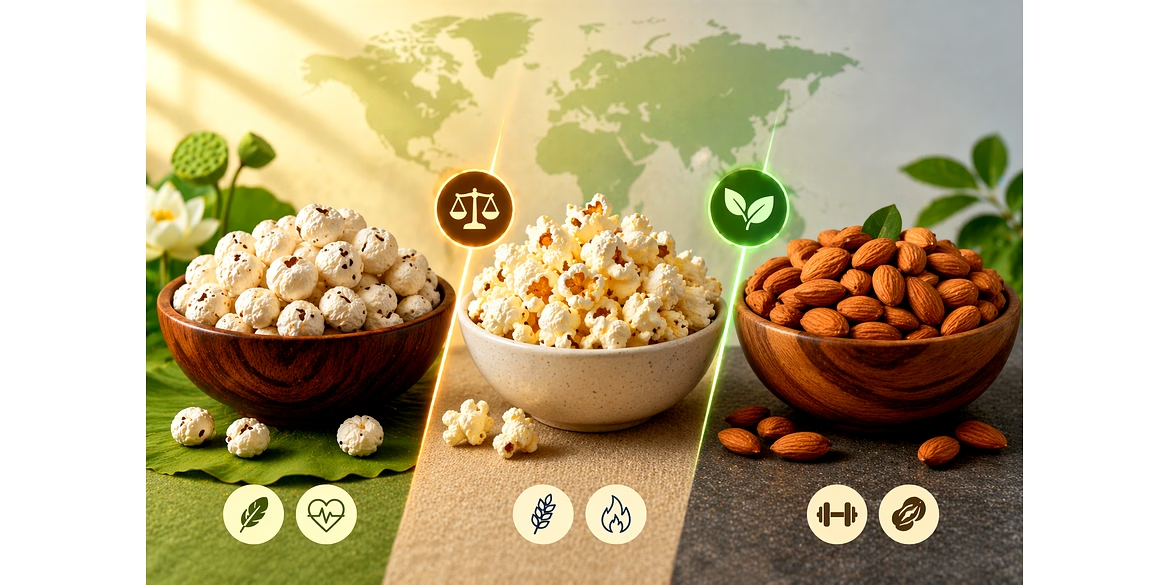

As modern consumers rethink snacking choices, makhana, popcorn, and nuts have become three of the most relevant categories for health-focused food businesses. Each snack offers a different balance of convenience, nutrition, texture, and market appeal. For importers, distributors, and private label snack brands, understanding how makhana compares with popcorn and nuts can help shape stronger product portfolios, better category positioning, and more targeted retail strategies.
The Modern Snacking Shift
Modern consumers are no longer choosing snacks based only on taste. Buyers today look for products that combine convenience, perceived nutrition, enjoyable texture, and a clean, premium market image. This shift has made makhana, popcorn, and nuts some of the most talked-about snack categories in global food and retail discussions.
Makhana is increasingly positioned as a light, premium, plant-based snack with strong appeal in wellness-focused and emerging global markets. Popcorn remains highly popular because of its familiarity, broad affordability, and whole-grain identity. Nuts, especially almonds, continue to lead in premium snacking due to their strong nutrient-density and health-focused perception.
For snack brands and B2B buyers, the best snack option depends on the target audience, product positioning, and usage occasion. Businesses comparing healthy snack categories may also find value in exploring premium snack positioning and healthy snack portfolio strategy.
Makhana, also known as fox nuts or popped lotus seeds, is a popped seed product strongly associated with India and increasingly recognized in premium healthy snacking. It is commonly marketed as a lighter alternative to many traditional snack products because it is naturally low in fat compared with many nut-based snacks and fried snack formats.
Makhana has gained momentum in premium packaged food categories because it offers a clean appearance, a light crisp texture, and strong adaptability for plain, roasted, and flavored formats. Its positioning appeals to modern consumers looking for a snack that feels both distinctive and better aligned with health-conscious eating habits.
For snack businesses, makhana is especially attractive because it combines premium presentation with growing international awareness, making it a strong product for differentiated retail and export portfolios.
What Makes Popcorn Popular?
Popcorn remains one of the most mainstream snack formats globally because it is familiar, accessible, and highly versatile. Its popularity comes from the fact that it works well in multiple formats, from plain and salted to sweet and heavily flavored variants. Popcorn is often associated with easy, casual, high-volume snacking, which gives it strong appeal across age groups and retail channels.
For many consumers, popcorn is an affordable snack that fits both everyday use and entertainment occasions. It is also recognized as a whole-grain snack, which supports its appeal in better-for-you snacking discussions. This broad familiarity gives popcorn a strong position in supermarkets, convenience stores, and mass-market snack portfolios.
From a business perspective, popcorn performs well in mainstream retail because it is well known, easy to understand, and simple to flavor for different audiences.
Nuts, especially almonds, continue to dominate premium snack shelves because of their high nutrient density and strong health perception. They are widely seen as rich in healthy fats, fibre, vitamin E, magnesium, and protein, which gives them a powerful role in functional snacking, protein-forward products, and premium wellness positioning.
Compared with lighter snack formats such as makhana and popcorn, nuts are more calorie-dense and richer in fat. However, this same density supports satiety, richness, and stronger nutrition-led positioning. As a result, nuts often perform especially well in premium retail channels, wellness stores, gifting formats, and consumer segments looking for functional, satisfying snacks.
For brands seeking an established premium snack category, nuts remain one of the most dependable options in modern retail markets.
Nutritional Comparison: Makhana vs Popcorn vs Nuts
From a nutrition-positioning perspective, makhana, popcorn, and nuts each serve different consumer needs. Makhana is often positioned as a light, low-fat snack with premium healthy-snack appeal. Popcorn is commonly seen as a whole-grain, lower-calorie-per-volume option that works well for volume snacking. Nuts provide greater nutrient density and satiety, but they also come with higher fat and calorie content.
This means there is no universal nutritional winner across every use case. Makhana may appeal more to buyers seeking low-fat premium snacking. Popcorn may work better for consumers who want a large bowl-style snack with lower calories per serving volume. Nuts may be more attractive for those who value richness, micronutrients, and a more filling snack experience.
For brands building a healthy snack portfolio, the best nutritional positioning depends on whether the focus is lightness, whole-grain familiarity, or nutrient-dense satiety.
Snack choice is never based on nutrition alone. Texture, flavor experience, and emotional familiarity often shape repeat purchase just as strongly. Makhana, popcorn, and nuts each deliver a very different consumption experience, which helps explain why they continue to coexist in the market.
Makhana Experience
Makhana offers a light, airy crunch and works especially well in premium roasted and flavored snack formats. Its crisp texture and neutral base make it easy to season with both Indian and global flavor profiles. It also has a premium visual quality that suits modern packaged snack branding.
Popcorn Experience
Popcorn is strongly associated with high-volume snacking and broad familiarity. It is easy to share, easy to eat in larger portions, and highly adaptable across sweet, salty, and savory formats. Its casual snack identity makes it especially suitable for entertainment and everyday use.
Nut Experience
Nuts are generally chosen for richness, density, and satiety. They provide a firmer bite and a more indulgent natural flavor profile. Because they are more calorie-dense, they are often consumed in smaller portions and are commonly associated with premium and function-led snacking.
Which Snack is Better for Health-Conscious Consumers?
For health-conscious consumers, the better snack depends on what they value most. If the goal is light snacking with lower fat, makhana and air-popped popcorn are often easier to position than nuts. If the goal is stronger nutrient density, healthy fats, and greater satiety, nuts may provide a better fit.
Makhana works well for premium light-snack positioning, especially for consumers who want a less oily and more distinctive snack option. Popcorn fits well for affordable, high-volume snacking and can be very attractive for calorie-conscious consumers depending on toppings and portion size. Nuts are often better suited to consumers looking for a more filling snack that supports premium health perception and nutrient-forward choices.
In practical terms, the best healthy snack is determined by the consumer’s goal, whether that is lightness, volume, or nutrition density.
For B2B buyers and modern snack brands, all three categories offer value, but they support different business goals. Makhana stands out because it is still relatively underpenetrated in many global markets, making it easier to position as a premium, emerging, better-for-you snack. This gives brands more room for differentiation and innovation.
Popcorn is highly mature and competitive, which makes it strong for mass-market demand but harder to differentiate unless branding or flavor innovation is exceptional. Nuts are already established as premium snacks, but they often involve higher raw material costs and stronger competition from established commodity and branded players. Makhana therefore offers a particularly interesting opportunity for brands seeking a category that feels fresh, premium, and commercially distinctive.
For businesses building differentiated healthy snack portfolios, makhana can offer a stronger innovation story in newer export and premium retail markets.
Best Use Cases by Business Type
Different snack formats make sense for different business models. Importers, distributors, and private label brands should choose based on category maturity, target audience, pricing expectations, and their ability to create differentiation.
For Importers
Makhana is a strong choice for premium health-focused snack imports, especially where the goal is to introduce a newer and more differentiated category. Popcorn fits mainstream demand and broad market familiarity. Nuts work well for established premium retail and wellness-focused channels.
For Distributors
Makhana can support emerging category expansion and help distributors bring something newer to market. Popcorn remains attractive for fast-moving turnover in mainstream channels. Nuts fit premium grocery, gifting, and health-oriented stores where consumers are already familiar with the category.
For Private Label Snack Brands
Makhana is especially well suited for innovative branding and flavor-led launches. Popcorn benefits from broad consumer understanding, while nuts support premium, protein-oriented, and nutrition-led product lines. Businesses comparing product strategies may also explore private label healthy snacks and export snack categories.
There is no single winner across every market or consumer need. Popcorn is strong for affordability, familiarity, and volume snacking. Nuts are strong for nutrient density, premium health perception, and satiety. Makhana stands out for brands and consumers seeking a lighter, low-fat, premium snack with growing global appeal.
For modern consumers, the better snack depends on purpose and preference. For modern snack brands, makhana offers one of the clearest opportunities for category differentiation, premium positioning, and innovation in emerging health-focused markets.
FAQ: Makhana vs Popcorn vs Nuts
Q1. Is makhana healthier than popcorn?
Not in every situation. Air-popped popcorn is commonly positioned as a whole-grain, lower-calorie snack, while makhana is often presented as a light, low-fat premium snack. The better choice depends on serving size, toppings, and product format.
Q2. Is makhana lower in fat than nuts?
Yes, makhana is generally positioned as lower in fat than nuts such as almonds, which are richer in healthy fats and more calorie-dense.
Q3. Why do snack brands choose makhana over popcorn?
Brands often choose makhana for premium positioning, category differentiation, and stronger opportunities for flavor innovation in emerging healthy snack markets.
Q4. Are nuts better than makhana for protein?
In general, nuts such as almonds are better suited to protein-forward and nutrient-dense positioning than makhana.
Q5. Which snack is best for weight-conscious consumers?
Air-popped popcorn may appeal for high-volume, lower-calorie snacking, while makhana may appeal for lighter premium snacking. The better fit depends on portion control and added seasonings.
Q6. Which category has better premium positioning in global markets?
Nuts already have strong premium acceptance, while makhana may offer stronger differentiation because it is newer in many international snack markets.
Q7. Is makhana a good product for importers and international buyers?
Yes, makhana is especially attractive for buyers targeting premium, health-conscious, and differentiated snack portfolios in modern retail markets.