


INORI is a premium makhana supplier from Bihar, specializing in high-quality fox nuts for snack brands, distributors, and bulk buyers. With direct farmer sourcing, strict Sutta-based grading, and a focus on consistency, we deliver reliable, export-re...
- (+91) 8641088078
- contact@inori.co.in
- Bastaul, Pranpur, , Katihar, Bihar, India. 854116
© 2020 INORI. All Rights Reserved
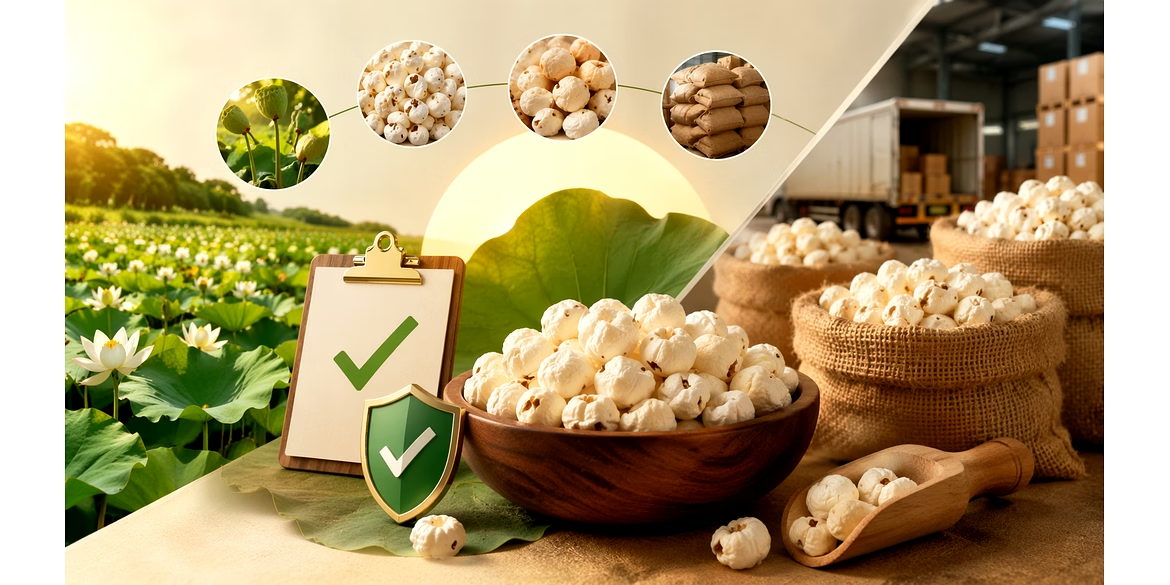

For snack brands looking to build a strong position in the healthy snacks market, sourcing high-quality makhana in bulk is one of the most important business decisions. The quality of makhana affects taste, crunch, shelf appeal, flavor absorption, and the consistency customers expect from a premium packaged snack. Whether you are launching a new roasted fox nut snack or expanding an established makhana product line, the right bulk sourcing strategy can improve customer satisfaction, reduce wastage, and support long-term brand growth.
Why Sourcing Quality Makhana Matters for Snack Brands
In the competitive world of branded snacks, product quality begins with the raw ingredient. For makhana snack brands, sourcing premium makhana in bulk helps maintain a better texture, a cleaner appearance, and a more satisfying bite. High-quality makhana also supports stronger brand positioning, especially for businesses targeting health-conscious consumers and premium retail channels.
Bulk makhana sourcing is not just a procurement step. It directly influences product performance, repeat sales, and customer trust. When snack brands choose the right grade and supplier, they can create a more reliable production process and deliver a consistent eating experience in every batch.
Key benefits of sourcing quality makhana include direct impact on product quality and taste, stronger brand reputation, support for premium product positioning, and fewer quality complaints during production and distribution. Brands exploring related categories can also strengthen their sourcing strategy by reviewing bulk snack ingredients and healthy snack sourcing.
Before placing a bulk order, snack brands should understand the makhana Sutta grading system. Different grades serve different commercial uses, and choosing the wrong grade can lead to issues with product consistency, coating performance, and visual appeal. Knowing the difference between processing grades and premium snack grades helps buyers align raw material quality with their product goals.
Generally, 3–4 Sutta makhana is suitable for processing and powder applications, while 4+ Sutta works well for mid-range and cost-sensitive products. For branded retail snacks, 5 Sutta is often considered a reliable standard because it offers better size and presentation. For premium and export-quality makhana snacks, 5+ and 6+ Sutta grades are often the preferred choice due to their larger kernel size and more uniform appearance.
Selecting the correct makhana grade ensures more consistent roasting, stronger shelf presence, and better consumer satisfaction. It also helps snack brands optimize production costs by matching grade quality to the intended end use.
Source Directly from Origin in Bihar, India
Bihar is the primary production hub for makhana in India, and sourcing directly from this origin region can provide major advantages for snack brands. Bulk buyers who source from Bihar often gain access to fresher stock, stronger quality control, and better traceability across the supply chain. This is especially valuable for brands that want authenticity, consistency, and reliable procurement for scale.
Direct sourcing from origin can also reduce dependency on intermediaries, which may improve transparency and support better cost efficiency. When brands work closely with suppliers connected to farmer networks and local processing systems in Bihar, they can build a more dependable raw material pipeline for long-term production planning.
For brands focused on quality-first sourcing, origin-based procurement offers stronger confidence in the authenticity and premium nature of the makhana being purchased in bulk.
A reliable bulk makhana supplier plays a central role in product consistency and operational stability. Snack brands should look beyond pricing and evaluate whether a supplier has proven experience in handling large and repeat orders. A trusted supplier should have strong grading, sorting, and packaging capabilities, along with a clear understanding of the requirements of modern snack manufacturing.
Dependable suppliers help reduce the risk of inconsistent batches, delayed shipments, and poor-quality stock that affects production schedules. Transparent communication, responsive support, and the ability to fulfill recurring demand are strong indicators of a supplier relationship that can support scalable growth.
For snack companies planning expansion, choosing the right partner for bulk makhana supply is as important as selecting the right grade.
Evaluate Product Quality Before Bulk Purchase
Requesting and testing samples is a critical step before finalizing any bulk makhana order. Product samples allow snack brands to assess whether the supplier’s makhana meets their specifications for size, appearance, crunch, and overall suitability for flavor application or retail packaging.
When evaluating bulk makhana samples, brands should examine kernel size and uniformity, check color and visual cleanliness, assess texture and expansion, and review the percentage of broken or defective pieces. A detailed sample review can help prevent larger procurement errors and reduce losses later in production.
Testing samples is especially important for brands offering flavored makhana snacks, where the shape and surface quality of the kernel affect seasoning adhesion and product presentation.
Consistency is one of the most important quality factors for any snack brand. Customers expect the same size, crunch, taste experience, and visual appeal every time they buy a pack. Inconsistent makhana sourcing can lead to visible batch differences, poor roasting performance, and negative customer feedback.
To maintain consistent product quality, snack brands should work with suppliers who follow standardized grading systems, maintain reliable stock planning, and deliver similar quality across repeat orders. This kind of bulk sourcing discipline supports brand trust and reduces production unpredictability.
Strong supplier relationships and clearly defined specifications make it easier to protect product consistency as the business grows into new markets or distribution channels.
Consider Flavor Application and Product Use
The intended use of makhana should guide sourcing decisions. Not every grade is ideal for every product category. Snack brands selling flavored makhana need well-expanded kernels that can hold seasoning properly and deliver a satisfying bite. Premium retail products often benefit from larger, more uniform makhana because visual appeal influences buying decisions.
By contrast, lower grades may still be useful for processing applications such as makhana powder, blends, or ingredient-based food formulations. Matching grade selection to product use helps brands control cost while maintaining the right quality standard for the market segment they serve.
A sourcing strategy that considers flavor coating, texture, and category positioning will usually produce better commercial outcomes than one based only on price.
Proper packaging is essential when sourcing makhana in bulk. Because makhana can be affected by moisture and environmental exposure, brands should ensure that bulk packaging is moisture-resistant and designed to protect the product from humidity, contamination, and handling damage during transportation and storage.
Good bulk packaging supports longer shelf stability and helps preserve crunch, freshness, and appearance before the product enters seasoning, roasting, or retail packing operations. It also improves warehouse handling and inventory management for manufacturers and co-packers.
Snack brands should discuss storage recommendations with suppliers and include packaging specifications as part of the bulk procurement process.
Understand Pricing and Cost Efficiency
Bulk makhana pricing depends on grade, quality consistency, origin, processing standards, packaging, and logistics. Higher grades typically come with higher pricing, but they may offer better value for premium snack brands due to improved appearance, lower defect rates, and stronger customer acceptance.
Bulk purchasing can help reduce the overall unit cost, especially when brands negotiate long-term volumes with a dependable supplier. However, cost efficiency should always be evaluated in relation to product positioning. A lower-cost grade may save money initially but can increase complaints, wastage, or inconsistency if it does not fit the intended retail use.
Brands should also factor in logistics, storage, and shipping costs to understand the full landed cost of bulk makhana sourcing.
Long-term supplier partnerships often create better outcomes than one-time transactional buying. When snack brands build stable relationships with quality-focused makhana suppliers, they gain more dependable product availability, smoother communication, and improved flexibility for future demand planning.
Long-term arrangements can also support stronger commercial terms, better forecasting, and improved supply chain efficiency. For growing brands, this stability can become a major competitive advantage, particularly during seasonal demand fluctuations or expansion into new markets.
A supplier partnership built on consistency, transparency, and mutual planning helps create a more resilient sourcing model for makhana snack production.
Common Mistakes Snack Brands Should Avoid
Many sourcing problems arise when brands focus too narrowly on price or overlook technical quality factors. One common mistake is choosing a supplier only because of a lower quote without checking grading standards, consistency, or packaging practices. Another frequent issue is failing to test samples before ordering in bulk.
Snack brands should also avoid ignoring grading differences, underestimating the importance of supply reliability, and overlooking storage requirements that preserve makhana quality after delivery. These errors can lead to product complaints, higher wastage, weaker shelf appeal, and unnecessary operational disruptions.
A disciplined sourcing process helps brands avoid these costly mistakes and build a stronger foundation for growth.
Sourcing high-quality makhana in bulk is a strategic move for snack brands that want to compete on quality, consistency, and long-term customer trust. By understanding makhana grades, sourcing from Bihar, testing samples, and partnering with reliable bulk suppliers, brands can create better products and strengthen their market position.
A smart sourcing strategy supports scalable growth, protects brand value, and helps snack companies deliver a premium makhana experience across every pack. Businesses looking to expand their sourcing knowledge can also explore snack manufacturing insights and food ingredient procurement tips for additional guidance.
FAQ: Sourcing Makhana for Snack Brands
Q1. Which makhana grade is best for snack brands?
For most retail snack products, 5 Sutta and above is considered ideal because it offers better size, appearance, and consistency for branded packaging.
Q2. Why should brands source makhana from Bihar?
Bihar is known as the leading makhana-producing region, offering traditional expertise, stronger supply networks, and access to high-quality makhana in bulk.
Q3. How can I ensure quality before bulk buying?
Request product samples and evaluate kernel size, uniformity, texture, color, and the percentage of broken or defective pieces before placing a large order.
Q4. Is consistency important in makhana sourcing?
Yes, consistent quality helps ensure stable production performance, better customer satisfaction, and a stronger brand reputation over time.
Q5. What packaging is best for bulk makhana?
Moisture-resistant bulk packaging is the best option because it helps protect makhana from humidity, contamination, and quality loss during storage and transport.
Q6. Can lower grades be used for snack products?
Lower grades can work for processing applications, but they are usually not the best fit for premium retail snack products where appearance and uniformity matter more.
Q7. What should I look for in a makhana supplier?
Look for a supplier with consistent quality, grading expertise, dependable bulk supply capacity, strong packaging standards, and transparent communication.