


INORI is a premium makhana supplier from Bihar, specializing in high-quality fox nuts for snack brands, distributors, and bulk buyers. With direct farmer sourcing, strict Sutta-based grading, and a focus on consistency, we deliver reliable, export-re...
- (+91) 8641088078
- contact@inori.co.in
- Bastaul, Pranpur, , Katihar, Bihar, India. 854116
© 2020 INORI. All Rights Reserved
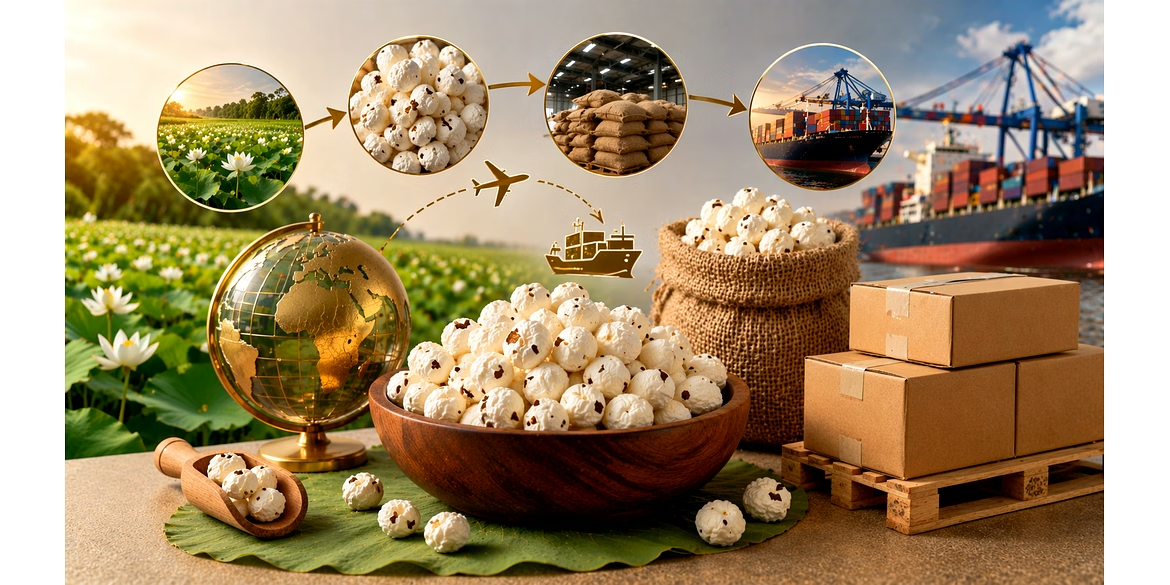

For importers, distributors, wholesalers, and snack brands, buying makhana in bulk requires more than simply comparing prices. A successful bulk sourcing strategy depends on understanding makhana grades, evaluating supplier reliability, reviewing packaging and export readiness, and planning for logistics and long-term consistency. As global demand for healthy snacks continues to grow, bulk makhana sourcing has become an important opportunity for international buyers looking for a premium and marketable product.
Introduction: Why Bulk Makhana Sourcing Matters
For international buyers, importing makhana, also known as fox nuts, requires a clear understanding of product quality, grading, sourcing origin, and export logistics. With the rising popularity of healthy snacks in global markets, makhana has become an increasingly valuable product for food importers, bulk distributors, and private label snack brands.
Buying makhana in bulk can reduce per-unit costs, improve supply consistency, and support better inventory planning. However, the long-term success of a bulk buying strategy depends on choosing the right makhana grade and working with a supplier who can deliver reliable quality across repeat orders.
For buyers entering the makhana trade, strong knowledge of sourcing and procurement standards can reduce risk, improve margins, and create a stronger foundation for growth in international snack markets. Related procurement topics may also be explored through bulk snack sourcing and healthy food import planning.
One of the most important parts of buying makhana in bulk is understanding the Sutta grading system. The grade selected affects pricing, appearance, product quality, and the commercial segment the product can serve. Buyers who understand makhana grading are better prepared to align their purchase with the needs of their retail, wholesale, or processing business.
Generally, 3–4 Sutta makhana is more suitable for processing and industrial applications. 4+ Sutta offers balanced quality for mid-range buyers looking for a cost-conscious option. 5 Sutta is widely preferred for retail packaging and snack brands because it provides better size and presentation. Premium grades such as 5+ and 6+ are commonly selected for export markets, private label products, and premium snack offerings due to their stronger visual appeal and better consistency.
Higher makhana grades usually provide better size, cleaner appearance, and more uniform lots, making them more suitable for international buyers focused on presentation and repeat customer satisfaction.
Choosing the Right Makhana Supplier
Selecting a reliable makhana supplier is essential for maintaining smooth business operations and consistent product quality. Bulk buyers should assess suppliers not only on price but also on sourcing capability, grading expertise, and their ability to handle large and repeat orders without major variation.
A strong supplier should have direct sourcing access from Bihar, which is India’s main production region for makhana. Buyers should also look for a supplier with a strong farmer network, experience in sorting and grading, the ability to provide repeat supply, and transparent communication around documentation, order handling, and shipment planning.
For international procurement, supplier reliability often matters as much as product quality because delays, inconsistency, or poor coordination can affect the entire supply chain.
Before finalizing a bulk order, buyers should carefully evaluate key quality parameters to avoid issues after import. Product samples should be reviewed closely because grade labels alone do not always reveal the full commercial quality of the lot. Physical inspection remains one of the best ways to confirm whether the makhana is suitable for the target market.
Important quality factors include kernel size and uniformity, color and visual cleanliness, expansion and puffiness, moisture stability, and the percentage of broken or damaged pieces. Premium export makhana is generally expected to have a white to creamy appearance, good popping quality, and a clean, consistent texture that supports retail or snack brand applications.
A detailed quality review helps importers reduce complaints, improve usable yield, and choose the right makhana grade for their business model.
Bulk Packaging Options for International Buyers
Packaging plays a major role in preserving makhana quality during transportation and storage. Even high-quality makhana can lose commercial value if packaging is not suitable for long-distance shipping and warehouse handling. International buyers should confirm that the packaging used for bulk shipments protects the product from moisture, contamination, and physical damage.
Bulk makhana is commonly packed in large sacks or cartons, depending on buyer requirements and shipment plans. Moisture-resistant packaging materials are important for maintaining crunch and freshness throughout transit. Some suppliers may also offer custom packaging formats based on the importer’s storage, distribution, or repacking process.
Well-planned export packaging supports longer shelf stability and smoother inventory handling after arrival in the destination market.
Makhana pricing varies based on grade, product quality, batch consistency, and market demand. International buyers should review pricing carefully so they can balance quality expectations with commercial margins. Lower pricing may look attractive initially, but it can lead to weaker presentation, more defects, or higher sorting losses if the grade does not match the intended use.
Higher Sutta grades are usually more expensive because they offer better kernel size, appearance, and premium positioning. Buying in bulk can reduce the effective per-unit cost, especially when buyers negotiate repeat volumes. Seasonal supply conditions and changing market demand can also affect makhana pricing, so buyers should consider timing as part of their sourcing strategy.
Freight, inland handling, storage, and shipping costs should also be included when calculating the true landed cost of bulk makhana imports.
Logistics and Export Considerations
Efficient logistics are essential for timely delivery and maintaining makhana quality throughout transit. International buyers should review export documentation, shipment planning, transit schedules, and packaging suitability before confirming a large order. Strong logistics support is especially important when makhana is being shipped over long distances or through multiple distribution stages.
Buyers should understand the available shipping options, whether by air freight for faster delivery or sea freight for cost efficiency. Transit time, loading practices, and product handling during export all affect the final condition of the shipment upon arrival. Proper planning can reduce delays, damage, and quality loss during transportation.
A supplier with export experience can help buyers manage compliance requirements, documentation, and shipment readiness more effectively.
Many sourcing issues happen because buyers focus only on price or rush the evaluation process. Buying makhana in bulk should involve a complete review of grade suitability, supplier reliability, packaging quality, and logistics planning. Ignoring these areas can create avoidable costs and operational challenges after import.
Common mistakes include choosing suppliers based only on lower pricing, ignoring grade differences, not verifying product samples, overlooking packaging suitability, and failing to establish clear communication on order requirements. These mistakes can lead to inconsistent quality, shipment issues, and weaker performance in the destination market.
A disciplined and informed buying process helps international buyers protect margins and build stronger supply relationships.
Benefits of Direct Sourcing from India
India, especially Bihar, is the largest and most trusted source of makhana, making it the preferred procurement destination for international buyers. Direct sourcing from India gives importers access to authentic origin product, stronger supply chain visibility, and better opportunities to secure high-quality makhana in bulk.
Buyers who source directly from origin often benefit from more competitive pricing, stronger product traceability, and more stable supply availability. This is particularly useful for importers and brands seeking long-term sourcing partnerships and repeat purchase reliability.
Direct origin sourcing can also reduce dependency on intermediaries, which helps improve transparency and overall procurement efficiency. Buyers interested in origin-focused procurement can also explore Bihar makhana sourcing and export-quality fox nuts.
Buying makhana in bulk requires a strategic approach that goes beyond product availability. International buyers need to understand makhana grades, assess supplier capability, review key quality parameters, and plan packaging and logistics carefully. These steps help reduce risk and improve overall sourcing outcomes.
By making informed procurement decisions, buyers can secure better consistency, improve profit margins, and build stronger long-term business relationships. A reliable bulk makhana sourcing strategy creates a solid foundation for growth in global healthy snack and food ingredient markets.
FAQ: Buying Makhana in Bulk
Q1. What is the best makhana grade for international buyers?
Premium grades such as 5+ and 6+ are generally preferred for export markets because they offer better size, appearance, and consistency.
Q2. How can I verify the quality before buying?
Request product samples and evaluate kernel size, color, texture, expansion, and the percentage of broken or damaged pieces.
Q3. Why is Bihar the best source for makhana?
Bihar is India’s main makhana production region and is widely known for producing a large share of the highest-quality makhana supply.
Q4. What packaging is used for bulk export?
Moisture-resistant sacks or cartons are commonly used for bulk export to protect makhana during storage and long-distance transportation.
Q5. What factors affect makhana pricing?
Pricing depends on grade, quality, quantity, market demand, packaging requirements, and freight or logistics costs.
Q6. Is makhana suitable for international markets?
Yes, makhana is increasingly popular in international markets as a healthy snack and premium food ingredient.
Q7. What should I look for in a supplier?
Look for quality consistency, direct sourcing strength, reliable bulk supply capacity, export readiness, and transparent communication.